 info@concepthotelgroup.es
Carrer Jaume I S/N, Can Raspalls
Sant Jordi, 07817 – Ibiza
España
Sant Jordi, 07817 – Ibiza
España
Web design and booking engine by ![Neobookings]()


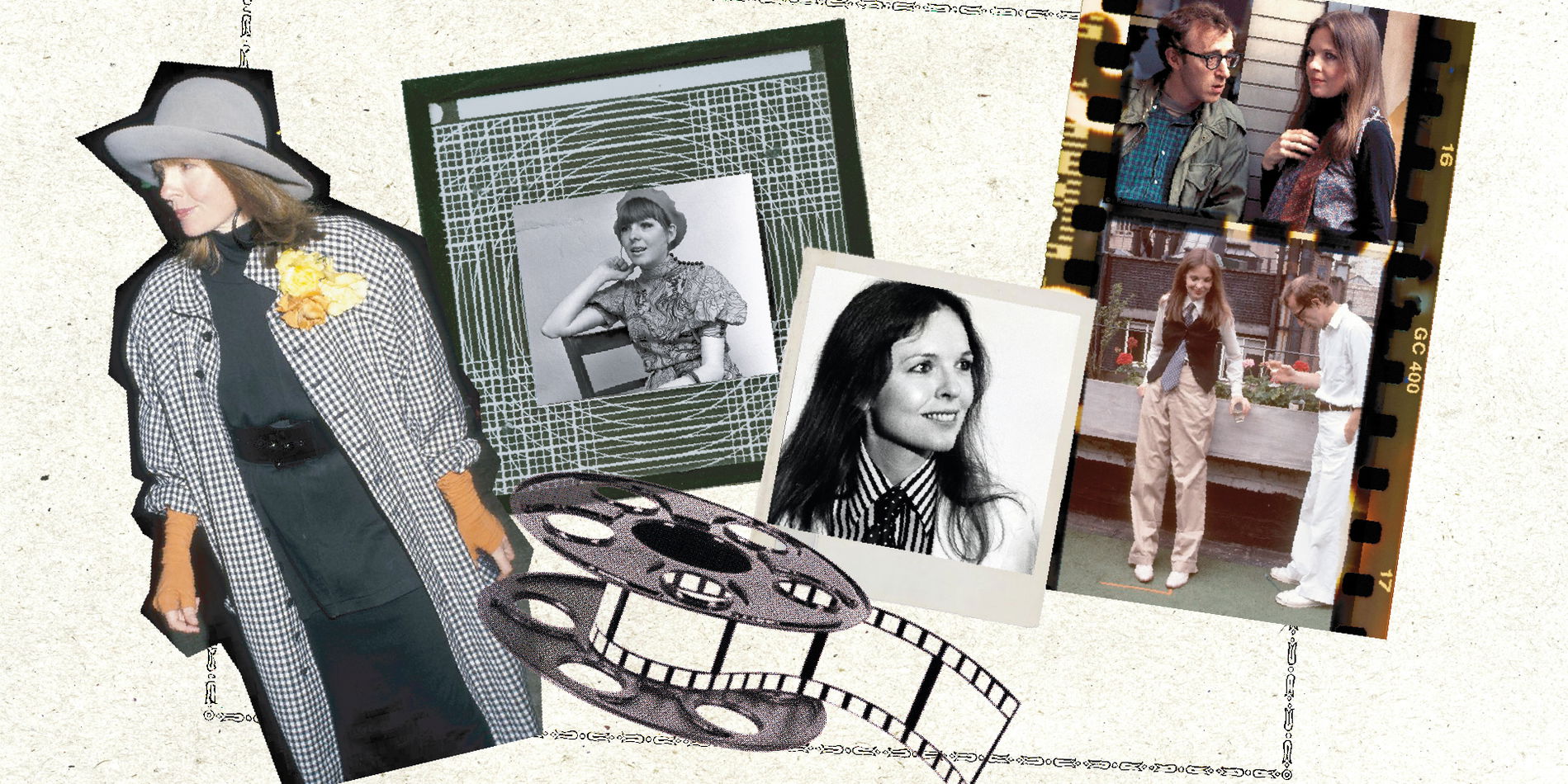
DIANE KEATON: MUCH MORE THAN ANNIE HALL
By Laura Martínez
When Woody Allen released Annie Hall in 1977, he couldn’t have imagined what his partnership with Diane Keaton would mean for his personal life or his film career. That year, the movie instantly became a cult classic and won the most important Oscars of that edition, including Best Actress for Keaton and Best Director for Allen. But its significance doesn’t end there. The film allows itself luxuries such as breaking the fourth wall—moments in which the characters speak directly to the camera—ventures into the delicate territory of time regressions, and showcases a brilliant verbosity in its script, trademark of the New York filmmaker.
Keaton and Allen fell in love while making the movie and, during the 1970s, embodied the cool intellectualism of the New York scene. He became the director everyone wanted to work with, and she became a symbol of authenticity and freedom. The couple broke up due to her desire to return to Los Angeles and continue developing her career in Hollywood, but the friendship remained intact over the years, and they went on to make eight more films together.
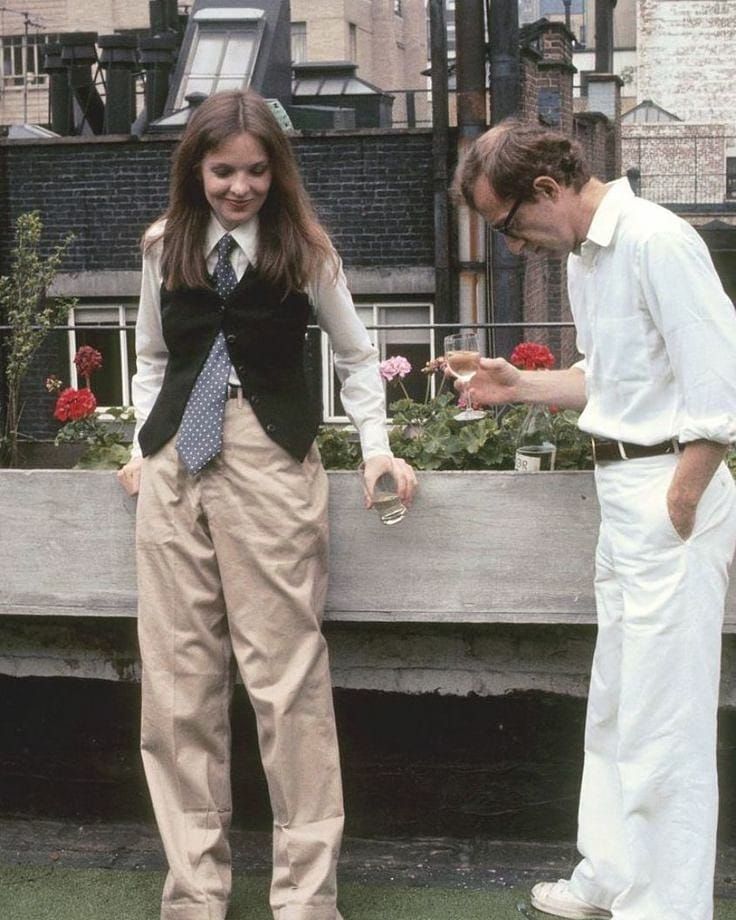
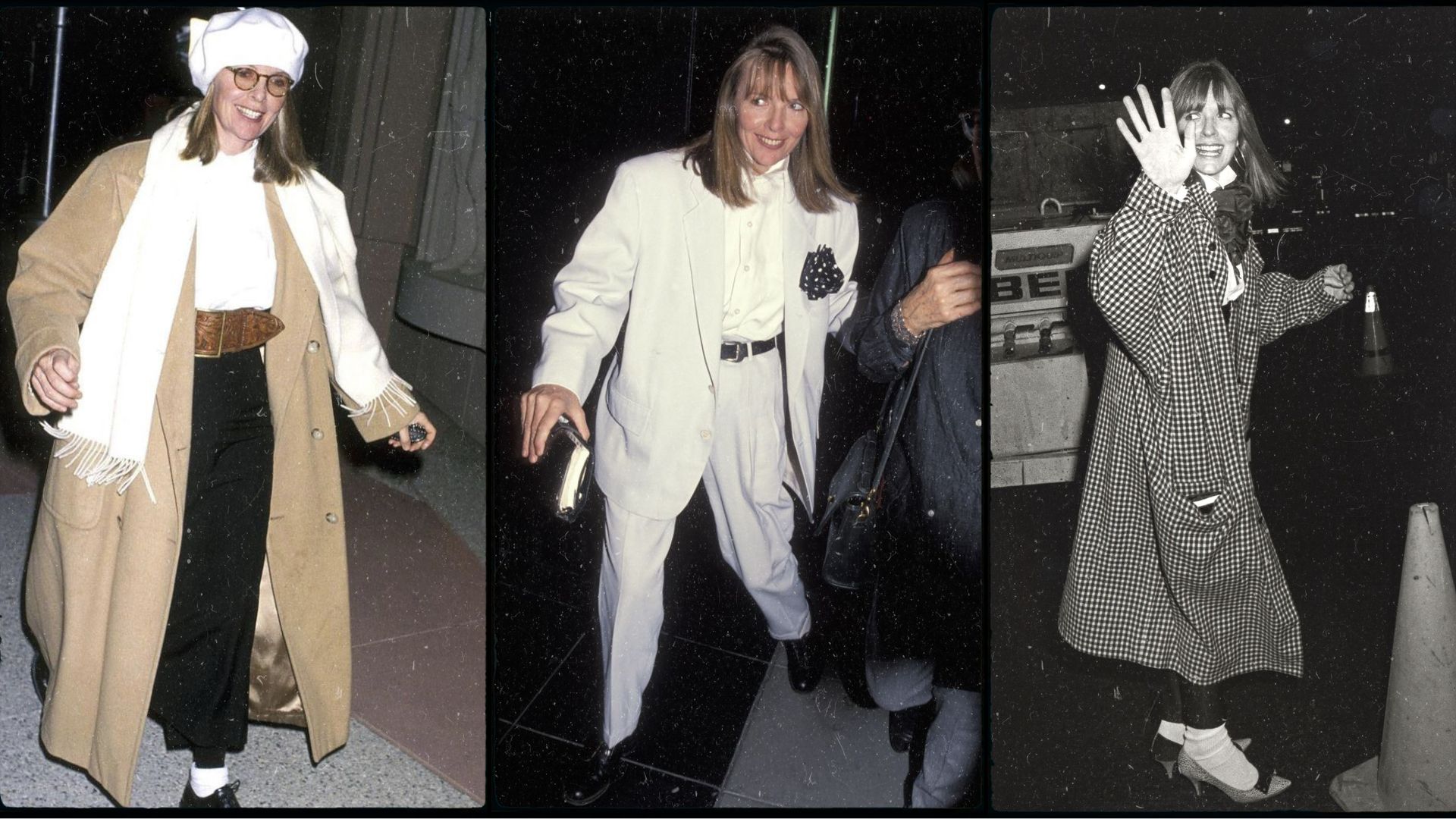
Diane Keaton is not just an actress; Annie Hall also turned her into a style icon. Annie had a very particular way of dressing: vests, ties, shirts, hats… The character’s iconic style was endlessly replicated both in the streets and on red carpets (see Julia Roberts accepting her brand-new Golden Globe in 1990). It was later revealed that Keaton had brought her own clothes to the set during the wardrobe test, which completely convinced Woody Allen that the role had to be hers. With that mix of charisma, humor, and undeniable authenticity, Keaton made all her roles unforgettable and moved between comedy and drama with equal ease.
But before Annie Hall, Diane had already shown her talent in films like The First Wives Club and Looking for Mr. Goodbar, alongside Richard Gere, and later cemented her status as the queen of comedy with more sophisticated films such as Baby Boom, Husbands and Wives, and the wonderful Something’s Gotta Give, with Jack Nicholson and Keanu Reeves, with whom she was rumored to have had a brief romance (Well done, Diane). Each of her performances has that unique mix of vulnerability, humor, and strength that only she knew how to convey. In dramas, her presence is just as intense. Playing Kay Adams in parts II and III of The Godfather—where she met Al Pacino—she showed the complexity of a character trapped between love, family, and difficult decisions. Her ability to move between genres and characters proves that Diane was an actress capable of turning any script into something memorable.
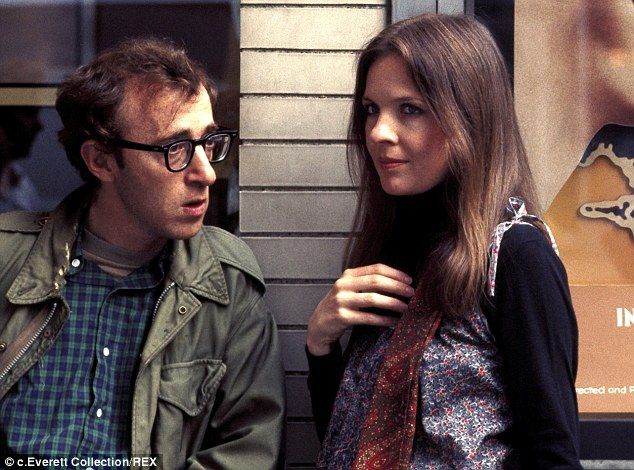
Her personal life was marked by three monumental relationships with major film figures: Woody Allen, with whom she formed a fantastic creative duo that turned into a great friendship until the end of his days; Warren Beatty, who quickly married Annette Bening after their breakup; and Al Pacino, with whom she lived an intense and passionate relationship that she describes as the great love of her life in her autobiography Then Again. Three men who could not tie Diane to the married life they all pursued. Keaton lived life on her own terms, and she herself commented several times that she was “not at all interested in becoming anyone’s wife.”
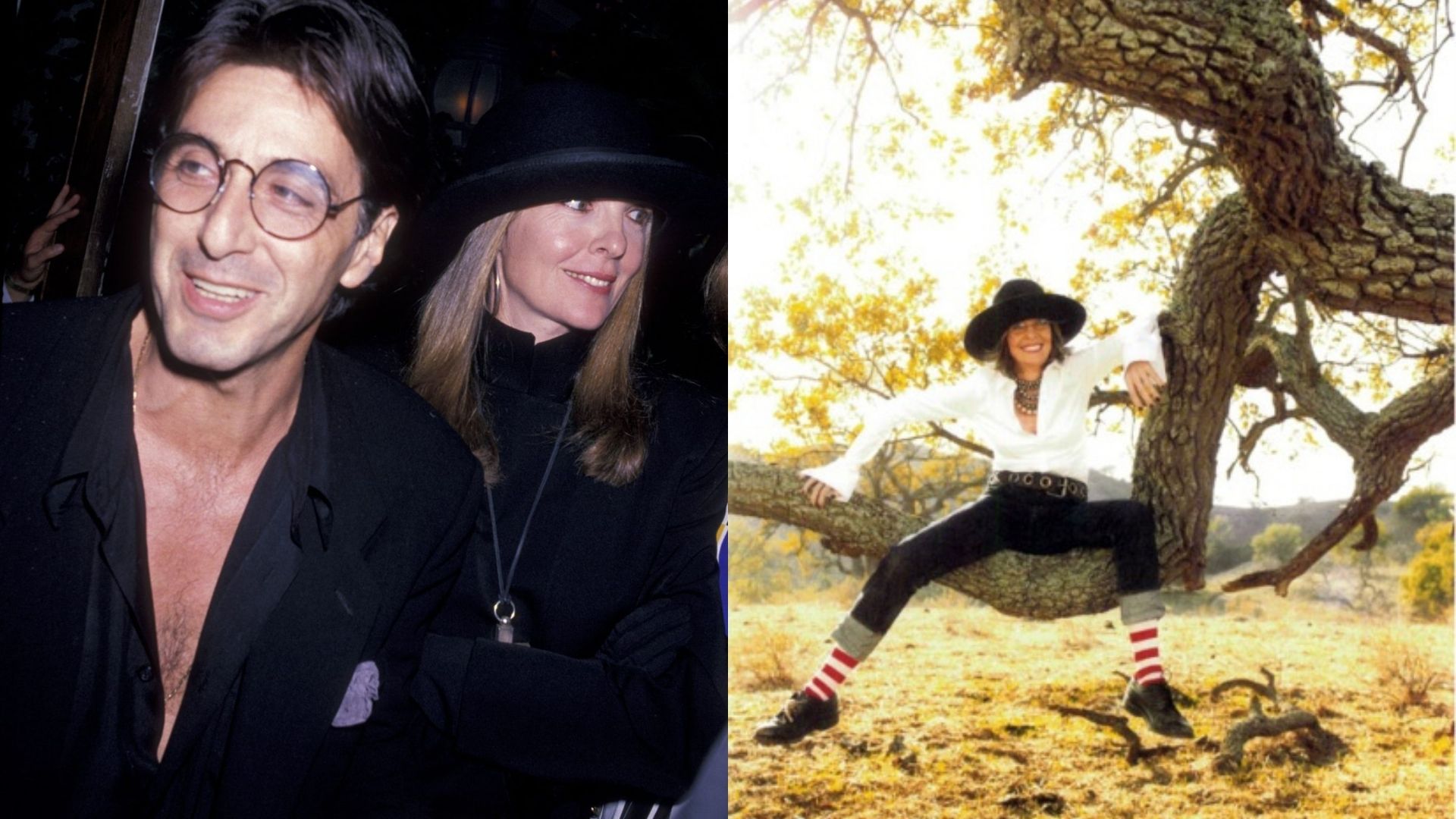
Her contagious laugh, her lively gaze, her way of moving and dressing continue to inspire generations who seek to live life their own way. Like Annie Hall, like Diane Keaton—chic, free, and undeniably unique. The legacy of her cinema will forever remain in the memory of generations and generations who will keep repeating that “Oh well… laa-di-da.”