 info@concepthotelgroup.es
Carrer Jaume I S/N, Can Raspalls
Sant Jordi, 07817 – Ibiza
España
Sant Jordi, 07817 – Ibiza
España
Web design and booking engine by ![Neobookings]()


By Luisa Ricart
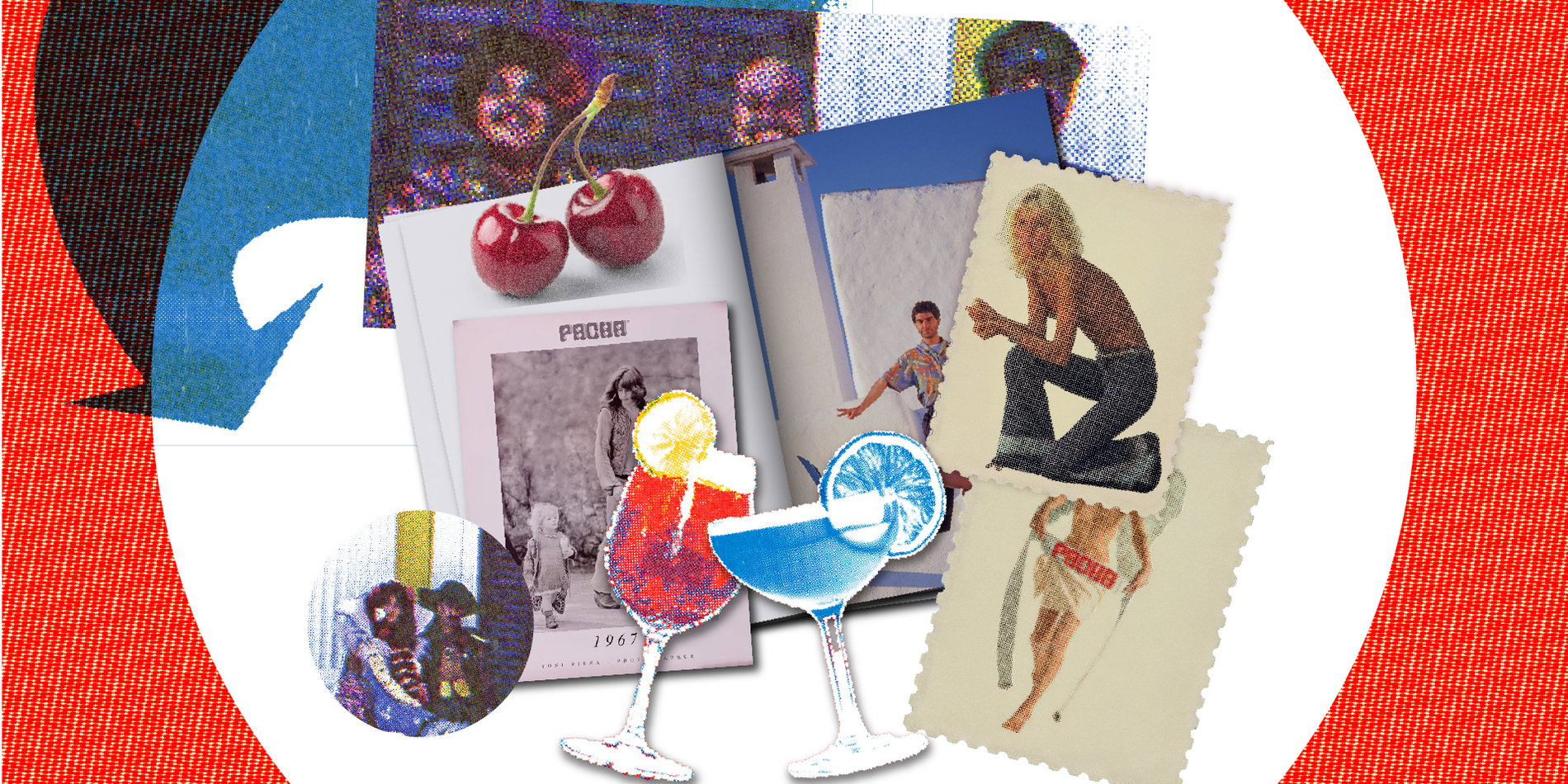
Toni Riera arrived in Ibiza in 1973 with the intention of staying for three days and ended up settling there for four months. He confessed: “I remember feeling something I’d never felt before: absolute freedom, time stretching out, a community living free from rules, and the endless sea. Since the 1970s, the island has been his creative home and his living laboratory. His photographs, spanning more than fifty years, capture landscapes and parties, but also those untamed spirits that still feature on mood boards. For Riera, Ibiza isn’t just a place; it’s a state of mind, an act of resistance and a manifesto for life.
“I’d never seen so many people who simply let themselves be. Here, anything was possible: to love, create, laugh, cry and dance until the sun came up…, said Riera. And the fact is, this is a journey that, if you take it, you take it properly. Since then, he has turned his camera into a chronicler of transformation, a visual diary that captures both the effervescence of 1970s Ibiza and its still-persistent heartbeat.
The jewel of the Pitiusas appeared to him as a perfect, natural film set. He was captivated by its overflowing, unruly beauty, its unique energy, and its one-of-a-kind mix of people (farmers, artists, and dreamers from all over the world).
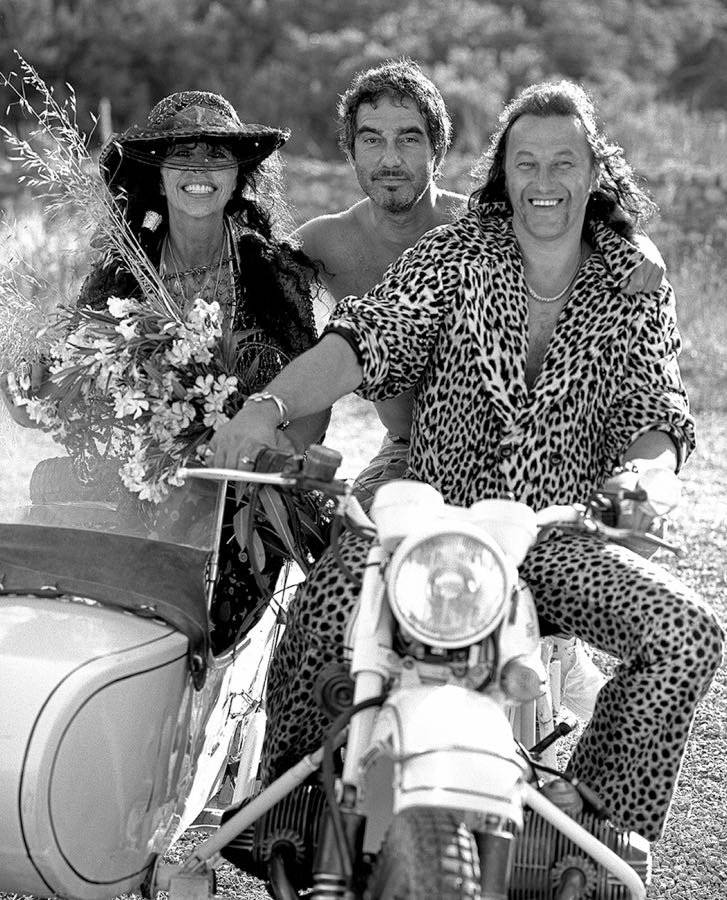
He continued: “It was a paradise of hedonism and carefree living, a world away from the strict social norms of the time. For someone born in Spain, where almost everything good was forbidden, it was a complete revelation.
The island taught you to see things differently, to value what was genuine and to scorn the superficial. Life was frugal and simple: houses without electricity, water from wells, eggs from the hens and lettuce from the vegetable patch. But the intensity of what was unfolding surpassed any material comfort.
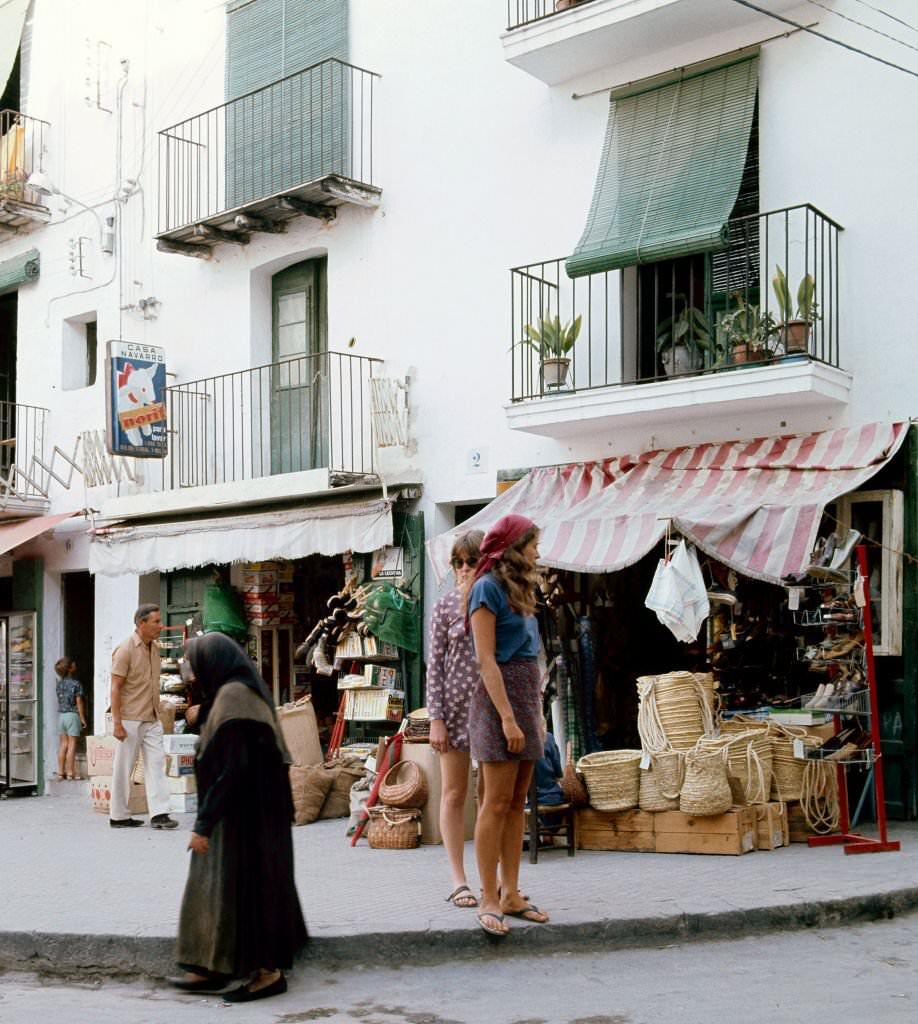
He exclaimed: “It was incredible how the locals welcomed the new ‘peluts’ (the hairy ones), while ancient customs intertwined with psychedelia!
In that oasis, surnames didn’t matter; all social classes networked in an almost utopian balance. Toni recalled: “An aristocrat could have dinner with a hippie and nobody batted an eyelid. We were actors on a continuous stage, and there were hardly any spectators.” That’s what makes Ibiza magical: its ability to welcome without judgment, to allow everyone to find their own path.
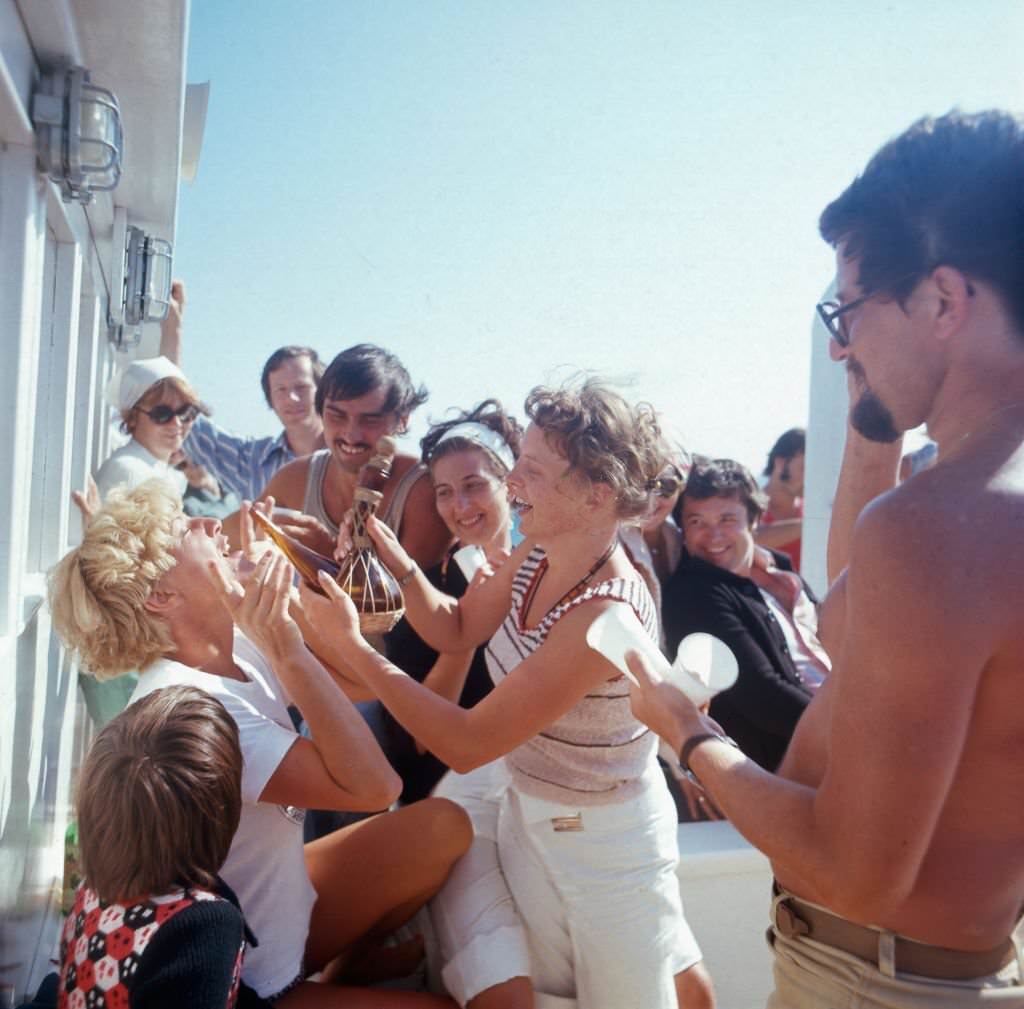
“It felt as though Franco’s dictatorship was turning a blind eye to us. Ibiza is just a 30-minute flight from the mainland, and the repression seemed to melt away. Well, with a few exceptions: on Ses Salines beach, the Civil Guard, crouched among the dunes, would set about hunting—or fishing, he laughs—for naked bathers, who they fined 800 pesetas for indecency.
It was precisely this mosaic of rebellion, spontaneity and ingenuity that fuelled his photographs, which today serve as a cultural snapshot – a phenomenon that’s difficult to put into words.
His snapshots capture the drive, carefree independence and passion that still define the island for those who know how to look beyond package tourism (Ibiza is Ibiza all year round, but it is never quite as ‘Ibiza’ as it is in autumn and spring).

Over five decades of work, Riera has covered photo essays, portraits, fashion, advertising campaigns and books, always drawing inspiration from the Mediterranean archipelago. “Every street, every cove, every neighbour had something to convey, something to tell. There wasn’t a single corner that didn’t deserve to be captured, he professed. His photographs were neither commissioned nor sought fame; they were fragments of a universe he wished to preserve, witnesses to a collective mystique that forms part of the Balearic memory.
The Ibiza of that time was a melting pot of vibrant everyday life; a time of upheaval and experimentation. Creativity, friendship and love were expressed without a care for what others might say. “I learnt to live as I please, free from the need to ask permission and the fear of being different. That’s the lesson I’ve learnt from the island, explained Toni. Moreover, that learning went beyond the artistic: it permeated how one related to others, celebrated local customs, and found meaning in simplicity.
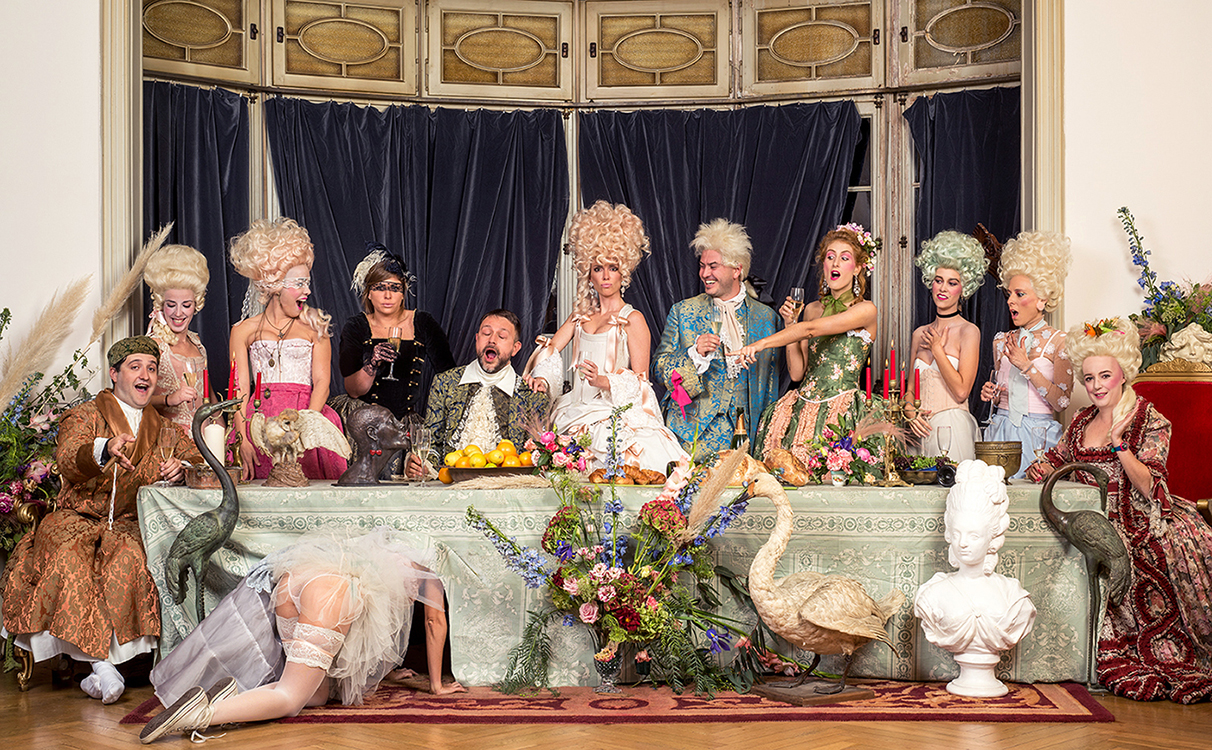
It’s obvious: it’s not just about the surroundings; it’s about how they transform us. The message? Look around without haste, listen without prejudice, give without restraint, and let your guard down without shame. In the end, we impose our own limits; routine doesn’t determine fulfilment, and true intelligence arises from accepting imperfection.
Looking back, Toni feels a mix of melancholy and anger. “We lived in harmony with nature; there was great respect for the environment. Property speculation hadn’t yet burst onto the scene, covering everything in brick and concrete. We should build a monument from the rubble left over, dedicate it to the politicians who let this happen, and place it on one of the roundabouts that adorn the island. This really pisses me off!
“What a way to put emotion into words, I think as I chat with him. How relieving it is to hear someone speak out loud and clear! The things we don’t say don’t simply disappear; they gnaw away at us from within and wither our enjoyment.
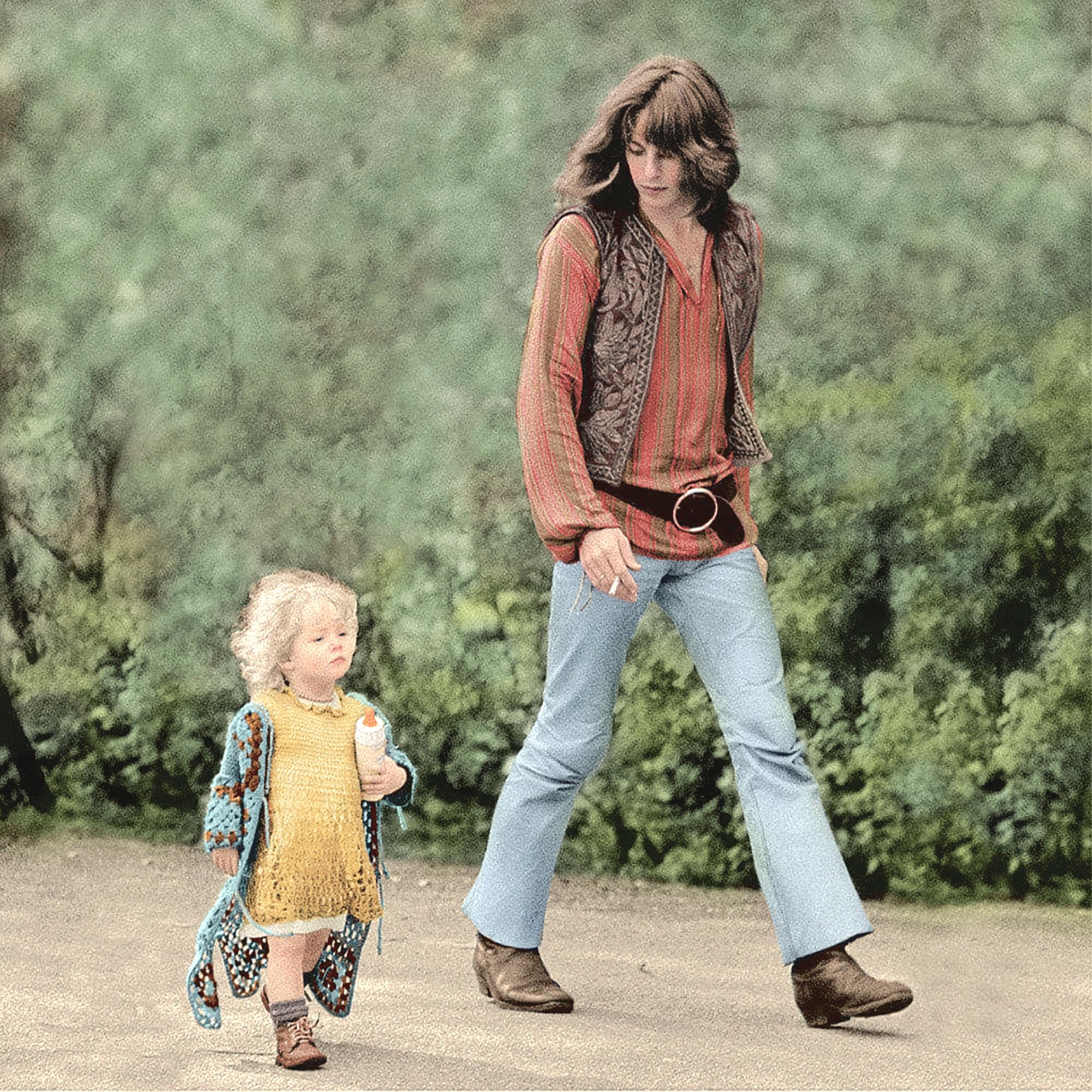
Our protagonist returns, now striking a more encouraging note: “Ibiza’s DNA hasn’t died; it’s simply become more hidden. I take comfort in the belief that, as long as some enjoy it as I do, its essence will remain intact. That is why Toni continues to defy modernity and the masses: a declaration that suggests the island is, rather than a destination, a way of being in the world.
Reflecting beyond the photograph, Riera observes that joie de vivre does not depend on comfort, schedules or status, but on accepting who we are and what we have been through. On the ability to surrender to the present and embrace the philosophy of kintsugi: accepting the now as a vase repaired with gold, where cracks aren’t hidden but celebrated as traces of history and resilience. Wisdom for which, in 2026, we pay exorbitant fees to psychologists, subscribe to ridiculous podcasts and waste hours on absurd emotional development workshops.
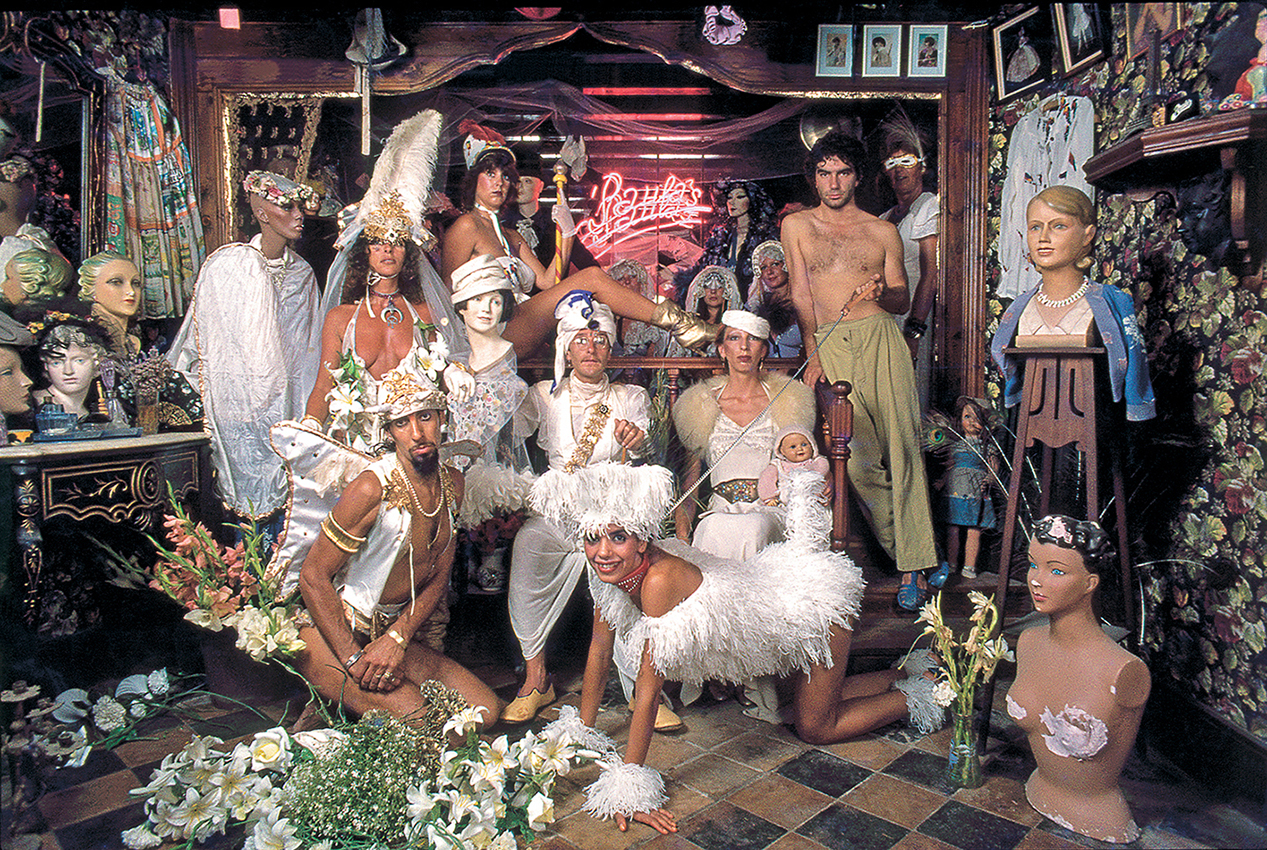
In contrast to the present day, which often prioritises spectacle and runs around headlessly (and sometimes aimlessly), Ibiza was a sanctuary for savouring the ephemeral and honouring transience. Those who visited it did not merely wander along beaches or trails; they discovered themselves in the reflection of others.
This is why the Ibiza portrayed by Riera does not appear on maps or in guidebooks; it lives on in those who breathe it in with respect, curiosity and passion. As long as that continues, its legacy will remain intact.